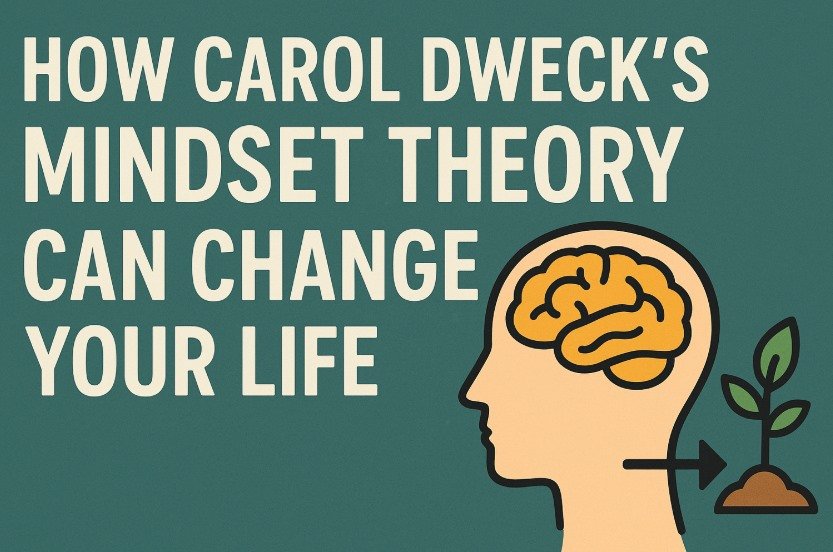
Carol Dweck, a well-known psychologist, introduced the concept of mindset in her research. Her work focuses on how the way we think about our abilities and intelligence can shape our success and personal growth. According to Dweck, people generally have one of two types of mindsets: a fixed mindset or a growth mindset. Understanding this concept can have a significant impact on how you approach challenges, learning, and everyday life.
What is a Fixed Mindset?
A fixed mindset is the belief that your abilities, intelligence, and talents are static. People with a fixed mindset often think that they are either good or bad at something and cannot change their abilities. They may avoid challenges because they fear failure or believe that struggling shows a lack of talent. This mindset can limit growth and prevent people from reaching their full potential.
For example, a student with a fixed mindset may avoid difficult subjects because they feel they are not smart enough to succeed. This can lead to frustration, self-doubt, and a lack of motivation to improve. Similarly, adults with a fixed mindset might avoid new responsibilities at work because they are afraid of making mistakes.
What is a Growth Mindset?
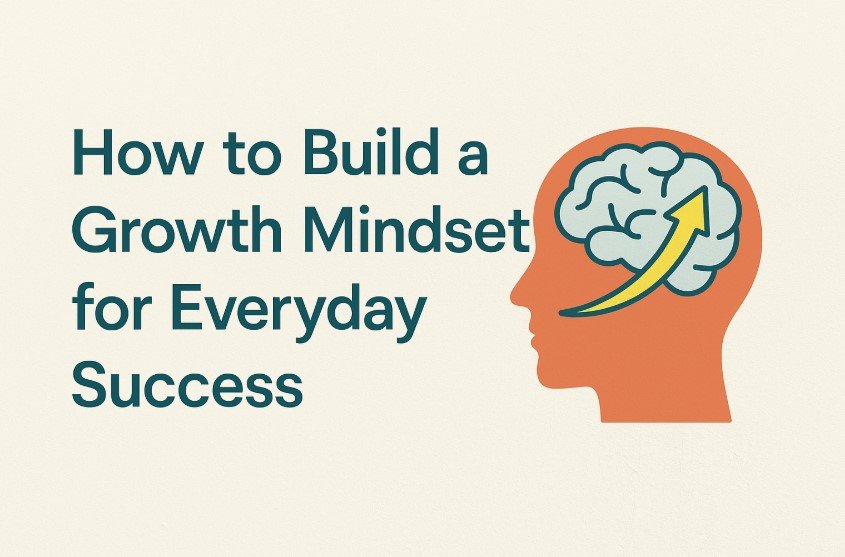
A growth mindset is the belief that abilities and intelligence can be developed through effort, learning, and practice. People with a growth mindset see challenges as opportunities to improve and understand that failure is part of learning. They are more likely to take on difficult tasks, persevere through setbacks, and continue developing their skills.
Adopting a growth mindset encourages curiosity, resilience, and long-term success in both personal and professional life. For example, a student who believes in a growth mindset may tackle a challenging subject and use mistakes as lessons to improve. Similarly, an employee with a growth mindset will take on new tasks and learn from feedback rather than avoiding it.
The Impact of Mindset
Carol Dweck’s research shows that mindset affects all areas of life. It influences how people handle setbacks, respond to feedback, and approach goals. Employees with a growth mindset are more likely to embrace new responsibilities and learn from mistakes, leading to better performance at work. Students with a growth mindset are more likely to improve academically because they believe effort can lead to success. By understanding and applying Dweck’s mindset theory, anyone can change the way they approach life and achieve more than they thought possible.
Changing Your Mindset
One key idea in Dweck’s theory is that mindset is not fixed. People can shift from a fixed mindset to a growth mindset through practice and awareness. This involves recognizing when you are thinking in a limiting way and choosing to adopt a more flexible perspective.
For instance, if you find yourself saying, “I’m not good at math,” you can change it to, “I can improve in math if I practice and learn from my mistakes.” This simple change in thinking can have a powerful impact on motivation and learning.
Mindset and Feedback
Another important aspect of mindset is how it relates to feedback. People with a fixed mindset often feel threatened by criticism because they see it as a judgment of their abilities. They may ignore or avoid feedback to protect their self-image. In contrast, people with a growth mindset see feedback as valuable information for improvement. They use it to adjust their strategies, learn from mistakes, and continue growing. This approach allows them to improve faster and achieve more over time.
The Role of Effort
Carol Dweck also emphasizes the role of effort in success. Many people believe that talent alone determines achievement. However, research shows that effort, practice, and persistence are critical factors. A growth mindset helps people value effort rather than only results. This perspective encourages continuous learning and helps people stay motivated even when progress is slow. It also reduces fear of failure, making it easier to take risks and try new things.
Applying Mindset Theory in Daily Life
Understanding Carol Dweck’s mindset theory is only useful if it is applied in daily life. A growth mindset can change the way you approach learning, relationships, and work. It encourages you to focus on improvement rather than perfection and helps you develop resilience when facing challenges.
In education, students can benefit greatly from adopting a growth mindset. Instead of avoiding subjects that seem difficult, students can see them as opportunities to improve. Teachers and parents can support this by praising effort and strategy rather than innate talent. For example, instead of saying, “You are so smart,” it is more effective to say, “I am proud of your effort and persistence.” This helps students understand that their abilities can grow through consistent effort.
In the workplace, a growth mindset can improve performance and teamwork. Employees who believe in learning and development are more likely to take on new projects, ask for feedback, and adapt to changes. Leaders who encourage a growth mindset in their teams create an environment where innovation and creativity thrive. Employees feel safe to share ideas, take risks, and learn from mistakes, which leads to better results for both individuals and the organization.
Mindset and Personal Development
Adopting a growth mindset also impacts personal development. People who embrace a growth mindset are more likely to set realistic goals, work toward them consistently, and adjust their strategies when facing obstacles. They see failures as temporary setbacks rather than permanent limitations. This approach builds confidence and motivation because challenges are seen as a chance to grow rather than a threat to self-worth.
A growth mindset helps people develop important life skills such as problem-solving, patience, and persistence. These skills are useful in every area of life, including relationships, career, and health. For example, someone with a growth mindset may face a difficult conversation with a friend with the intention to understand and improve the relationship rather than avoiding it. Similarly, when learning a new skill or hobby, a growth mindset allows a person to practice consistently and improve over time.
Overcoming a Fixed Mindset
Shifting from a fixed mindset to a growth mindset requires awareness and effort. The first step is to recognize when you are thinking in a fixed way. Common signs include avoiding challenges, giving up easily, or feeling threatened by others’ success. Once you notice these thoughts, you can actively choose a growth perspective.
Practical strategies include setting learning goals instead of performance goals, focusing on effort and improvement, and seeking feedback. For example, instead of aiming to get the highest grade in a test, you can aim to understand the material better than before. Celebrating small improvements helps reinforce the growth mindset and motivates continued effort.
Mindset in Relationships
Mindset also affects personal relationships. People with a fixed mindset may avoid conflicts or challenges in relationships because they fear failure or rejection. This can lead to misunderstandings and missed opportunities for growth. In contrast, a growth mindset encourages open communication, active listening, and willingness to learn from experiences.
For example, in a friendship or family relationship, a growth mindset allows individuals to work through disagreements, adapt to changes, and strengthen connections over time. This perspective creates more meaningful and lasting relationships because challenges are seen as opportunities to learn rather than obstacles.
Mindset and Resilience
Resilience is the ability to recover from setbacks and keep moving forward. Carol Dweck’s mindset theory shows that a growth mindset is strongly connected to resilience. People who believe they can improve through effort are more likely to bounce back from failures and keep working toward their goals.
A fixed mindset, on the other hand, can make setbacks feel permanent and discouraging. By changing your mindset to a growth perspective, you can face difficulties with confidence, learn from mistakes, and continue progressing. Over time, this approach leads to greater achievements and a stronger sense of personal capability.
Conclusion
Carol Dweck’s mindset theory can truly change your life by transforming the way you think about your abilities and challenges. A fixed mindset limits growth and potential, while a growth mindset opens the door to learning, improvement, and resilience. By recognizing limiting thoughts, valuing effort, embracing challenges, and learning from feedback, anyone can adopt a growth mindset.
Applying this theory in daily life can improve education, work, personal development, relationships, and overall well-being. The key is to understand that your abilities are not fixed and that consistent effort and learning can lead to significant growth. By adopting a growth mindset, you can achieve more, face challenges confidently, and live a more fulfilling life.