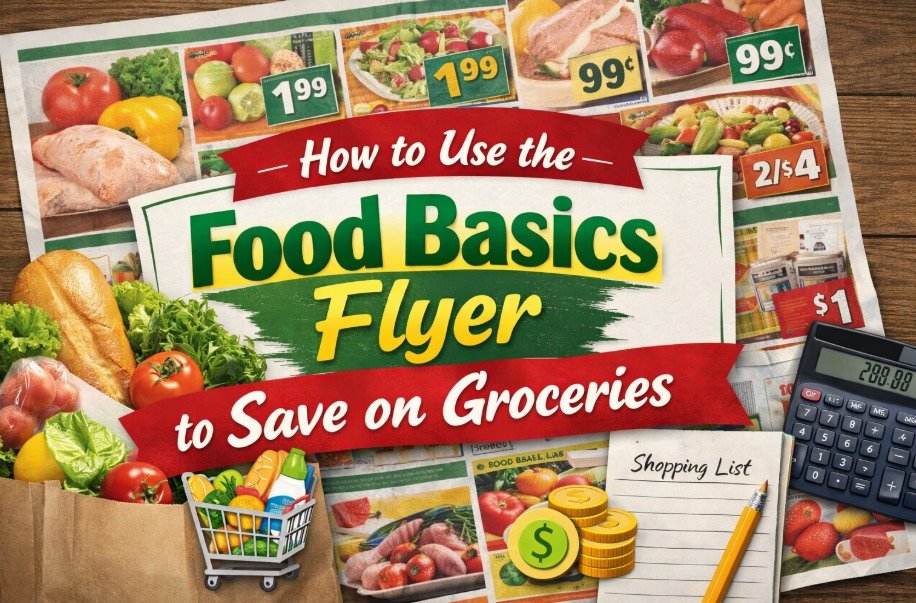
Saving money on groceries is a goal for many households, and learning how to use the Food Basics flyer to save on groceries can make a real difference. The weekly flyer shows all the sales and special offers available in the store, helping shoppers make smart choices before they even leave home. By spending a few minutes reviewing the flyer, you can plan your shopping trip better and avoid paying full price for items you buy regularly. This simple habit can help you control your grocery budget and reduce unnecessary spending.
Check the Flyer Before You Shop
Before going to the store, always review the weekly flyer. The front page usually features the best deals of the week, including fresh produce, meat, and pantry items. These deals are often limited-time offers, so it is important to take note of them early. When you see something you normally buy at a lower price, consider adding it to your list. This is one of the easiest ways to use the Food Basics flyer to save on groceries because you are buying what you already need at a reduced cost.
Plan Meals Based on Sales
Meal planning is an important part of smart shopping. Once you know what items are on sale, you can plan your meals around those products. For example, if chicken or vegetables are discounted, you can prepare meals using those ingredients for the week. This method prevents you from buying expensive items that are not on sale. Planning meals based on flyer deals helps reduce food waste and ensures that everything you buy has a purpose.
Make a Shopping List
After planning your meals, create a shopping list based on the flyer and your meal plan. Sticking to a list helps you avoid impulse purchases, which often increase your grocery bill. When you stay focused on what you actually need, you are more likely to stay within your budget. This step plays a big role when learning how to use the Food Basics flyer to save on groceries effectively.
Look for Multi-Buy Offers
The flyer often includes deals such as buy two get one free or three items for a lower price. These offers can be helpful if you use those products regularly. However, only take advantage of multi-buy deals if you truly need the items. Buying extra food that may go to waste does not save money in the long run. Always think about storage space and expiration dates before buying in bulk.
Compare Prices and Price Match
Although Food Basics is known for affordable prices, it is still smart to compare deals with other stores. Some stores offer price matching, allowing you to get the lowest price without visiting multiple locations. Checking other flyers can help you confirm if a deal is truly the best option. This comparison strategy adds another layer of savings to your shopping routine.
Use Digital Flyers and Alerts
Checking the flyer online can make planning easier. Digital flyers allow you to view deals in advance and share them with family members. You can also sign up for store notifications to receive updates about special promotions. Staying informed helps you never miss a good deal and improves your overall savings strategy.
Track Regular Prices
One helpful habit is learning regular prices for items you buy often. This makes it easier to recognize real discounts when you see them in the flyer. Over time, you will know when a deal is truly worth it. Tracking prices helps you make better decisions and stock up on items when they are cheapest. This is another smart way to use the Food Basics flyer to save on groceries.
Shop Early in the Week
Flyer deals usually start on a specific day each week. Shopping early gives you a better chance to find popular sale items in stock. Fresh produce and meat can sell out quickly, especially when the price is low. Planning your shopping trip for the first day of the sale can help you avoid missing out.
Be Flexible with Brands
Store brands are often cheaper and offer similar quality to name brands. When the flyer highlights store brand deals, it is a good opportunity to save even more. Trying new brands can also add variety to your meals. Being flexible allows you to take full advantage of flyer promotions and stretch your budget further.
Buy Seasonal Produce
Flyers often promote fruits and vegetables that are in season because they cost less to source. Buying seasonal produce means better freshness and better prices. This approach not only saves money but also improves the quality of your meals. Watching for seasonal deals is a smart way to shop throughout the year.
Plan Ahead for Special Events
If you have upcoming birthdays or holidays, check future flyers for deals on snacks and drinks. Planning ahead helps you avoid last-minute expensive purchases. Using flyer promotions for special occasions can save a lot of money and reduce stress when preparing for events.
Review Your Monthly Spending
At the end of each month, review your grocery receipts. See how much you saved by using flyer deals. This review can motivate you to continue using smart shopping strategies. Understanding your spending habits helps you improve and find new ways to save.
Teach Family Members to Save
Sharing these tips with your family can help everyone stay on budget. When everyone understands the value of planning, it becomes easier to stick to a list and avoid unnecessary spending. Teaching young people how to use the Food Basics flyer to save on groceries builds good habits for the future.
Final Thoughts
Saving money on groceries does not mean sacrificing quality. It means making smart choices, planning ahead, and using available tools wisely. By checking the flyer weekly, planning meals, tracking prices, and staying flexible, you can significantly reduce your grocery bill. Over time, these habits become part of your routine. Learning how to use the Food Basics flyer to save on groceries is a simple skill that can lead to long-term financial benefits and a more organized shopping experience.