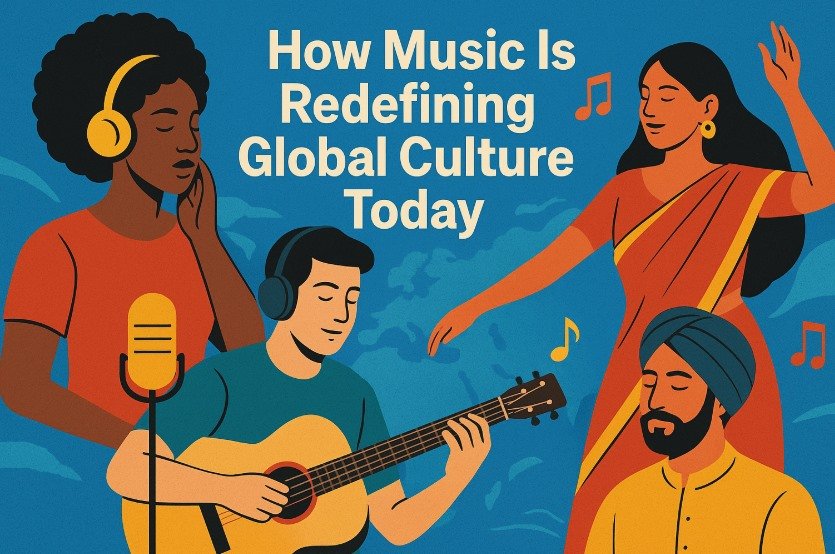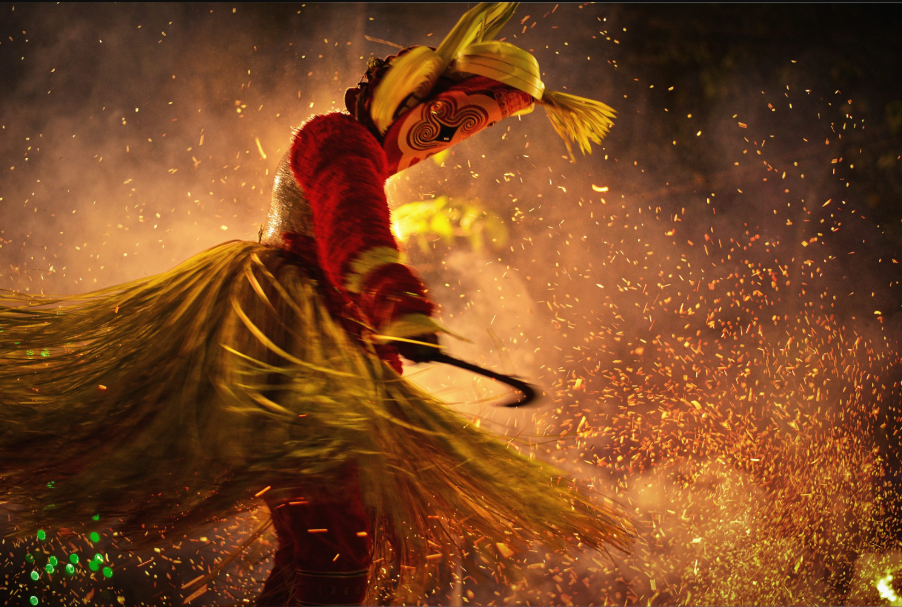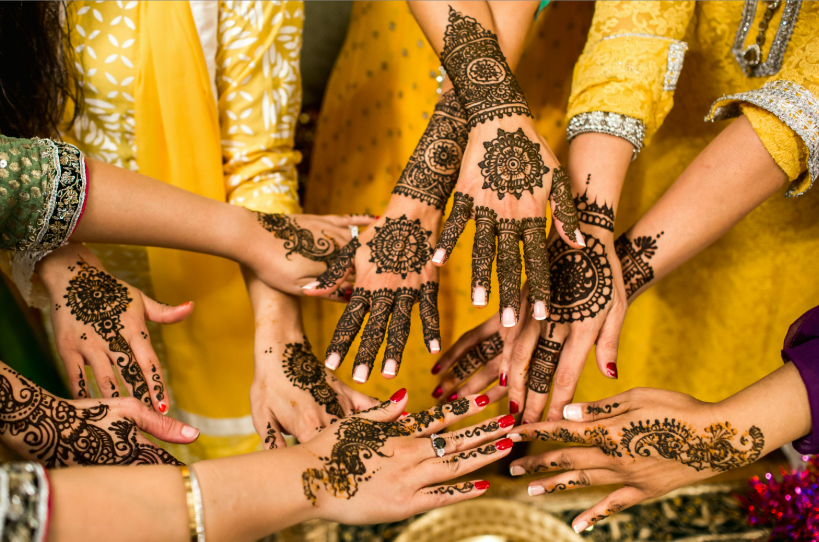
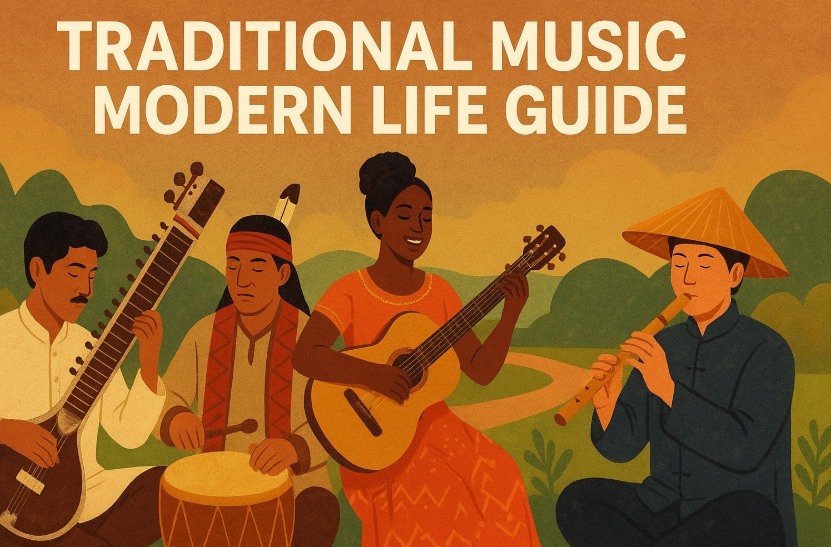
Traditional music has existed for thousands of years and has been an important part of human culture across the world. It reflects the daily life, beliefs, customs, and history of different communities. Long before modern technology, people used music to share stories, celebrate events, teach lessons, and bring communities together. Even today, when digital media and popular styles dominate the music industry, older musical traditions continue to survive and influence modern society. This article explores how traditional music developed, why it is important, and how it continues to exist in a modern world while facing both opportunities and challenges.
Origins and Cultural Importance
In early societies, music was closely connected to everyday life. People created songs for farming, hunting, weddings, religious ceremonies, and seasonal festivals. Since written language was not always available, music became a way to pass down knowledge and history. Songs helped people remember important events, family traditions, and social rules. This made music a shared activity that strengthened community bonds. Traditional music was usually learned by listening and practicing rather than reading notes. Elders taught younger members through repetition, ensuring that the style and meaning remained intact over time. Instruments were often handmade using materials found in the local environment. These instruments produced sounds that matched the surroundings and lifestyle of the community. Because of this close connection, music became a strong symbol of cultural identity.
Instruments and Musical Styles
Different regions developed their own instruments and musical patterns. String instruments, drums, flutes, and simple percussion tools were common in many cultures, though their shapes and sounds varied widely. The way music was performed also depended on cultural values. Some societies focused on group singing and dancing, while others valued solo performances. Rhythm played a major role, especially in communities where music was linked to movement and work. Melodies were often simple, making them easy to remember and repeat. Over time, these musical styles became recognized as important cultural expressions. Traditional music helped people understand their place in society and their connection to previous generations.
Influence of Social Change
As societies interacted through trade, migration, and exploration, musical traditions began to influence one another. New instruments and techniques were introduced, and local musicians adapted them to fit existing styles. This process created new variations while keeping cultural roots intact. However, colonization and modernization also caused disruptions. In some cases, local music was discouraged or replaced by foreign styles. Despite this, many communities continued to practice their musical traditions in private or during special events. Today, researchers and cultural groups work to document and protect these musical forms so they are not lost.
Traditional Music in Education and Community Life
Education plays a key role in preserving traditional music. Schools, cultural centers, and local organizations often include music programs that teach students about their heritage. Learning these songs and instruments helps young people understand their history and feel proud of their culture. Community performances and festivals also provide opportunities for people to experience traditional music together. These events encourage participation and help keep traditions active. Music continues to be a tool for social connection, allowing people of different ages to share experiences and knowledge. Even in urban areas, community groups organize events to celebrate cultural music, showing its lasting relevance.
Traditional Music in the Digital Age
Technology has changed how people access and share music. Recordings, videos, and online platforms allow traditional music to reach global audiences. This increased visibility helps raise awareness and appreciation for cultural diversity. Musicians can now share their work beyond their local communities, connecting with listeners around the world. However, digital exposure also brings challenges. Modern music trends can overshadow older styles, making it harder for traditional forms to gain attention. To address this, many artists combine traditional elements with modern sounds, creating music that appeals to younger audiences while respecting cultural roots.
Challenges of Preservation
Preserving traditional music requires effort and support. Urbanization, changing lifestyles, and lack of interest among younger generations can lead to the decline of certain traditions. When elders pass away without sharing their knowledge, valuable cultural information can be lost. Governments and cultural organizations play an important role in addressing this issue. They support festivals, workshops, and recording projects that document musical traditions. These efforts help ensure that traditional music remains accessible for future generations. Preservation is not about freezing music in time but allowing it to continue naturally while respecting its origins.
Role in Cultural Identity and Pride
For many people, traditional music is closely tied to identity and belonging. Performing and listening to familiar songs can create a strong emotional connection to one’s heritage. This is especially important for communities living away from their homeland. Music helps them maintain a sense of continuity and shared values. It also promotes respect between cultures by allowing people to learn about different ways of life. Through cultural exchange, traditional music becomes a bridge that connects communities and encourages understanding.
Conclusion
Traditional music remains an important part of the modern world despite rapid technological and social changes. It carries historical knowledge, strengthens community ties, and supports cultural identity. While challenges exist, ongoing efforts in education, preservation, and creative adaptation help keep these musical traditions alive. By valuing and supporting traditional music, societies can ensure that the voices of the past continue to be heard and respected in the present and future.