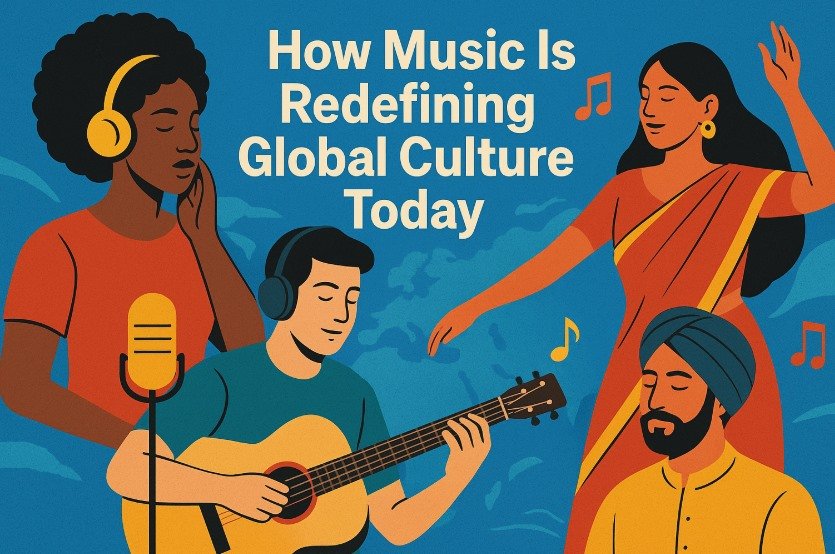
Understanding how music is redefining global culture today helps us see how people, ideas, and traditions move across borders. Music has become one of the most powerful ways cultures connect. As technology expands, people from different backgrounds can listen to the same songs, follow the same trends, and learn about each other through sound. This creates a shared global environment where music influences identity, communication, and lifestyle in many countries.
Music and Global Connection
One of the main ways music influences global culture is by helping people feel connected. When people listen to songs created in other countries, they learn about languages, customs, and ways of life. This exposure makes the world feel smaller and more open. When studying how music is redefining global culture today, it is clear that music spreads information faster than many other forms of communication. A song released in one country can become popular worldwide within days.
Streaming platforms have played a major role in this change. They allow people to listen to music from every part of the world. This means cultural boundaries are becoming less strict. Listeners can explore new genres and artists without needing a local radio station or physical copies of music. As a result, people gain a wider understanding of global sounds, and music traditions mix more often.
The Rise of Global Music Genres
As cultures interact through music, new genres and styles continue to appear. A strong example is the rise of K-pop, Afrobeats, Latin pop, and other global genres. These music styles were once mainly listened to in their home regions, but now they have international popularity. When looking at how music is redefining global culture today, these genres show how powerful cross-cultural influence has become. Listeners do not need to understand every word of a song to enjoy the rhythm, style, or emotion it expresses.
Many artists now blend different influences in their music. A song might include instruments from one culture, rhythms from another, and lyrics inspired by yet another. This combination creates a unique sound that appeals to a broad audience. These new blends encourage creativity and help connect listeners through shared interest.
Music and Social Media Influence
Social media platforms also affect the way music shapes culture. Short video platforms allow songs to spread quickly through trends, dances, and challenges. This creates global moments where millions of people participate in the same activity. It also gives new artists a chance to reach a large audience without needing traditional marketing. When studying how music is redefining global culture today, social media is one of the most important tools making this possible.
Cultural Identity and Expression
Music also plays a major role in shaping identity. Young people especially use music to express their personality, values, and style. As global access expands, people can choose influences from many cultures. A teenager in one country may follow artists from several different regions and develop a mixed cultural identity. This shows how music supports diversity and inclusion by giving listeners many options to explore.
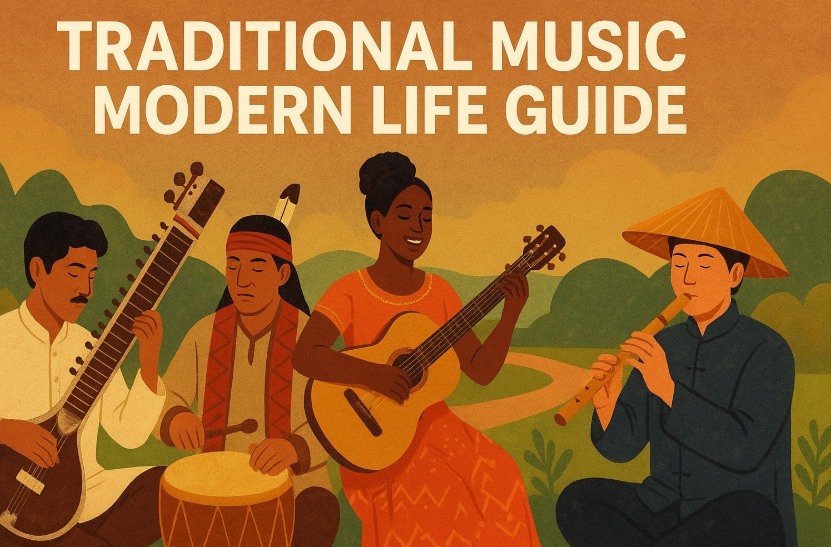
Music also helps preserve traditions. While new styles develop, traditional music still holds importance. Many artists blend modern and traditional sounds to protect cultural heritage while introducing it to new audiences. This balance between old and new is one of the key signs of how music is redefining global culture today, since it keeps history alive while supporting innovation.
Technology and Global Music Access
Technology continues to change how people experience music. High-speed internet, smartphones, and digital tools allow music to reach more places than ever before. Countries that once had limited access to global media can now participate in worldwide music culture. This gives local artists a platform to share their work and encourages global collaboration. Understanding how music is redefining global culture today requires looking closely at how technology supports creativity and communication.
Digital tools also help musicians work together without being in the same location. Artists from different countries often collaborate through online platforms, mixing styles and sharing ideas. These partnerships develop new sounds and expand cultural exchange. Technology also helps listeners discover artists who may not be well known in the mainstream music industry.
Music in Global Events
Music also plays an important role in international events. Sports competitions, festivals, and global celebrations often feature artists from different regions. These events become moments where cultures gather and share experiences through sound. Audiences hear music they may not have encountered before, which encourages curiosity and cultural learning. This is another example of how music is redefining global culture today by shaping shared moments for people worldwide.
Education and Cultural Understanding
Music helps students learn about other cultures in a simple and engaging way. Schools and programs often use music to teach history, language, and cultural traditions. Students gain knowledge about the world by listening, analyzing, and discussing songs from different areas. Music also teaches respect for diversity because it shows how each culture contributes something unique. This educational value supports global understanding and reduces cultural barriers.
Music and Lifestyle Changes
Music also affects global lifestyle trends. Fashion, dance, language, and even food trends often begin with music communities. When an artist becomes popular, people may adopt parts of their style. This influence spreads through social media, concerts, and online communities. Many people feel connected to global lifestyles through the music they enjoy. This influence is one of the strongest signs of how music is redefining global culture today.
Economic Impact of Global Music
The global music industry also affects the world economy. Artists, producers, composers, and many other professionals contribute to a worldwide network of jobs. As global access increases, music industries in many regions grow stronger. Countries that once had small music markets now reach international audiences. This economic growth supports cultural development, tourism, and creative industries.
Future of Global Music Trends
As technology continues to develop, the future of global music will continue to evolve. Virtual concerts, interactive music platforms, and AI music tools will give artists new ways to create and share songs. These changes will influence how people interact with music and how cultures continue to blend. The world is moving toward even more open musical communication, which adds to the ongoing process of how music is redefining global culture today.
Conclusion
Music has become one of the strongest forces shaping global culture. It connects people, spreads ideas, supports identity, and creates shared experiences. Through technology, social media, global genres, and cultural exchange, music continues to influence how people live and communicate. By understanding how music is redefining global culture today, we can appreciate how sound brings the world together in simple and meaningful ways.