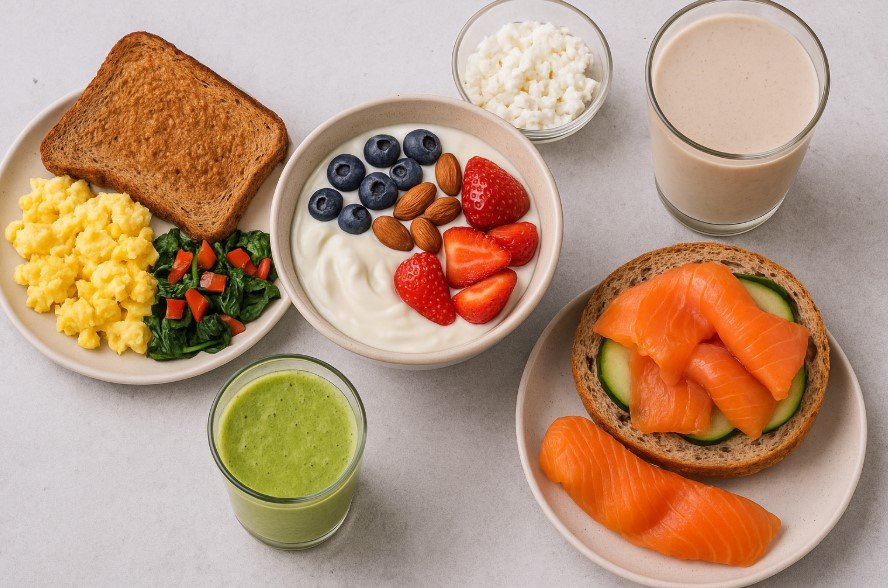

Many people enjoy hosting a late morning meal, but it can be hard to decide what dishes to prepare. Understanding what to serve for brunch helps you plan a balanced and organized menu. Since brunch is a mix of breakfast and lunch, it gives you many choices. You can keep it simple, choose dishes that are easy to prepare, and make a menu that feels complete.
Main Dishes for Brunch
Main dishes are the center of the meal, so choosing them first helps you build the rest of your menu. Eggs are one of the most common options. You can prepare scrambled eggs, omelets, or baked eggs with vegetables. These are simple to cook and work for many people. Pancakes and waffles are also popular because they are familiar and filling. If you want something closer to lunch, you can make vegetable wraps or small chicken wraps. These dishes help create a balanced menu when deciding what to serve for brunch.
Sandwiches also fit well into brunch. You can make grilled cheese sandwiches, vegetable sandwiches, or breakfast-style sandwiches with eggs. Keeping the flavors simple makes the dishes easy for everyone to enjoy. You do not need complex recipes. Simple and clear dishes work best.
Side Dishes for Balance
Side dishes add variety and make the meal feel complete. Potatoes are one of the easiest side options. Roasted potatoes, seasoned potato bites, or simple hash-style potatoes pair well with eggs and sandwiches. You can also add a light salad. A basic salad with lettuce, cucumbers, and tomatoes works for almost any menu. It adds freshness and color to the table.
When planning what to serve for brunch, including both warm and cool sides helps balance your menu. You do not need too many sides. Two or three simple options are enough for most gatherings.
Fruit Options
Fruit is an important part of brunch because it adds natural sweetness without making the meal heavy. You can prepare a bowl of mixed fruit with strawberries, bananas, grapes, and oranges. Fruit does not require much preparation, which makes it practical for busy mornings. You can also serve a yogurt and fruit bowl topped with granola. This gives guests a lighter option if they prefer to eat something simple.
Baked Items
Baked items can be made ahead of time and stored until needed. Muffins, banana bread, or small pastries are easy to prepare and look nice on the table. Bread is another simple choice. You can offer toast, rolls, or sliced bread with butter or jam. Including baked items makes your brunch feel more complete.
Drinks to Include
Drinks are an important part of a full brunch menu. You can offer juice, milk, or water. Smoothies made with fruit and yogurt are also a good choice. These drinks are easy to prepare and match well with most foods. Having a few drink choices ensures that everyone finds something they like.
Table Arrangement
A neat and simple table setup makes the meal easier to enjoy. Place main dishes in one area, sides in another, and drinks at the end. This helps guests move through the table in an organized way. When planning what to serve for brunch, the way you arrange food can make the experience smoother.
Preparing Ahead
Planning ahead is one of the most helpful steps when hosting brunch. You can chop vegetables, wash fruit, and bake items the day before. This saves time in the morning and helps you stay relaxed. Thinking early about what to serve for brunch also prevents confusion during cooking. You can focus on warm dishes on the day of the meal and avoid feeling rushed.
Optional Toppings and Extras
Adding small bowls of toppings can make the menu feel more flexible. You can place shredded cheese, chopped tomatoes, herbs, or simple sauces near the main dishes. These toppings let guests customize their plates without changing your base menu. Extras like these make your brunch feel thoughtful without adding much work.
Temperature and Timing
Serving dishes at the right temperature helps your brunch feel more complete. Warm dishes should be heated shortly before serving, and cold dishes should be kept chilled. You can cover warm dishes with lids to hold heat until guests arrive. Planning the order of your cooking helps you stay organized and reduces stress.
Meeting Different Food Needs
When you host a group, some guests may have food preferences or needs. You can make your menu friendly for everyone by choosing items that work for most diets. Fruit, salads, potatoes, vegetable wraps, and bread are safe for many people. You do not need a separate menu. You only need to choose dishes that naturally fit many tastes. A flexible menu makes deciding what to serve for brunch easier and more practical.
Presentation
Presentation makes even simple dishes look inviting. You can use clean plates, bowls, and serving spoons. Arrange dishes neatly so guests can see their options clearly. Put main dishes at the front, sides in the middle, and drinks at the end. This layout helps guests move smoothly from one dish to another. A neat setup improves the flow of the meal.
Simple Decorations
You can make your brunch feel more welcoming with small decorations. A plain tablecloth, a few flowers, or simple napkins can improve the appearance of the table. Decorations do not need to be expensive or complicated. Small changes can make the eating area more pleasant.
Ingredient Checklist
Before the day of the brunch, make a list of everything you need. Check your kitchen for ingredients and buy anything that is missing. This prevents last-minute problems and helps you stay prepared. A simple checklist is useful, especially when planning what to serve for brunch for the first time.
Keeping the Meal Comfortable
A successful brunch is one where guests feel comfortable and satisfied. Offering a mix of main dishes, sides, fruit, baked items, and simple drinks creates a well-rounded menu. You do not need complex recipes or special tools. Simple dishes made with care are enough to create a good experience.
Conclusion
When you understand what to serve for brunch, you can create a full and enjoyable meal. With clear planning, simple dishes, and a balanced selection of foods, you can host a brunch that feels organized and pleasant. A good menu does not require extra effort. It only needs thoughtful choices that work well together for a relaxed and complete meal.