
Kid-Approved Snacks That Are Actually Nutritious are important because snacks are a part of daily life for most families. Children often come home from school hungry, need energy before sports, or want something tasty on weekends. When snacks are healthy, they help children grow, learn, and stay active. Many families worry that nutritious snacks will not taste good, but there are many choices that can be both healthy and enjoyable.
Understanding What Makes a Snack Nutritious
A nutritious snack usually includes natural foods such as fruits, vegetables, whole grains, and sources of protein. These foods give vitamins, minerals, and energy that lasts longer than snacks high in sugar. Not every snack needs to be perfect, but choosing healthier options most of the time helps children build good habits. Families do not need expensive items. Simple foods from regular stores can work well.
Easy Fruit Snacks
Fruit is one of the easiest choices because most children like sweet flavors. Apples, bananas, strawberries, melon, and grapes are simple to wash and serve. Fruit gives fiber and vitamins that help the body stay healthy. To make fruit more interesting, you can cut it into easy bite-size pieces or mix different colors together. You can also serve fruit with yogurt or a nut-free spread if allergies are a concern.
Vegetable Snacks Children Enjoy
Vegetables are sometimes harder for children, but they can become more liked when prepared in a fun way. Carrot sticks, cherry tomatoes, and cucumber slices are quick to prepare. Serving vegetables with a dip like hummus or a light yogurt dip can make them more appealing. Children often enjoy dipping food, so this small step can help them try new vegetables.
Protein-Packed Snack Ideas
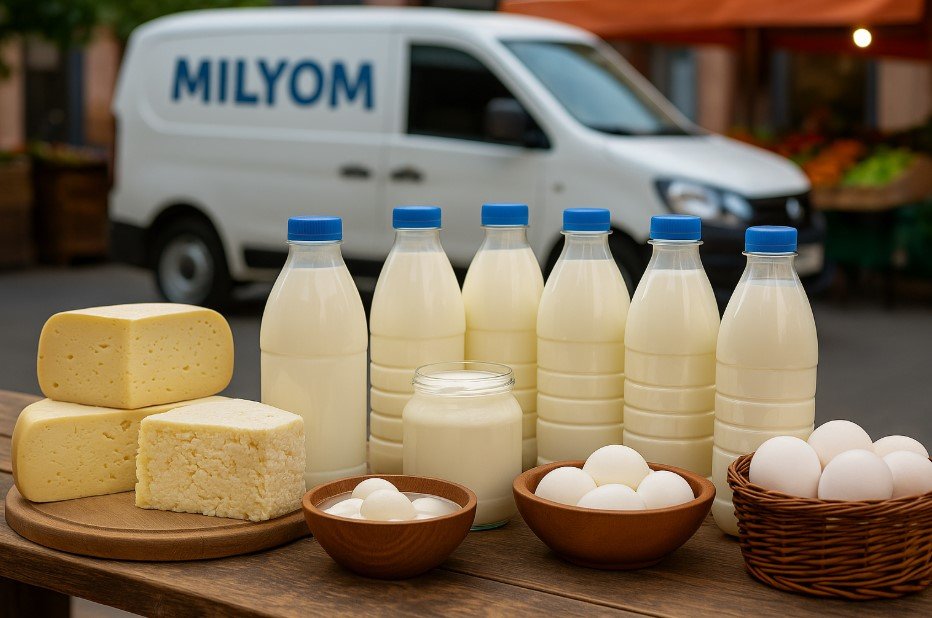
Protein helps children feel full for longer. Snacks like yogurt, cheese sticks, boiled eggs, or cooked chickpeas are simple and nutritious. You can also try nut-free seed mixes if allergies are a concern. Instead of flavored yogurt, which often contains added sugar, families can choose plain yogurt and add fresh fruit. Small changes like this keep snacks tasty while improving nutrition.
Choosing Whole Grains
Whole grains help support digestion and give steady energy. Many stores now offer whole grain crackers, oats, or whole wheat tortillas. You can also look for oatmeal bars that use simple ingredients. When reading labels, try to choose products that list whole grains first. This helps make sure the snack is better than highly processed products.
Healthy Drink Choices
Drinks are often part of snack time. Many drinks made for children contain large amounts of sugar. Water and milk are usually the best everyday choices. If children enjoy juice, serve small portions and choose 100 percent juice without added sugar. Another simple idea is adding slices of fruit to water to give a light flavor. Drinking enough water helps children stay focused and active during the day.
Involving Children in Snack Choices
Children enjoy being part of decisions. Letting them choose between two healthy options gives them a feeling of control. Asking whether they want grapes or orange slices can help avoid conflict. Children can also help wash fruit or mix simple ingredients. When they take part in preparing snacks, they often become more open to trying them.
Building Healthy Habits
Kid-Approved Snacks That Are Actually Nutritious support long-term healthy habits. When families offer healthy snacks at regular times instead of using snacks as a reward, children learn that food is part of caring for their bodies. It is normal for children to reject some foods, but patience works better than pressure. Regular exposure to healthy foods usually helps children accept them over time.
Balanced Snack Ideas for Busy Days
Busy days can make snacking difficult, but planning a few simple items can help. Some families keep sliced fruit in containers or prepare whole grain crackers with cheese. Yogurt cups, seed mixes, or roasted chickpeas are easy to take in a backpack. Planning ahead helps families avoid last-minute choices that are high in sugar. Kid-Approved Snacks That Are Actually Nutritious do not need long preparation. Simple steps often work well.
Lunchbox Friendly Snacks
School lunches are an important part of children’s nutrition, and snacks packed in lunchboxes can support energy during class. Options like whole grain muffins made at home, small containers of fruit, or vegetable sticks are good choices. A small sandwich made with whole wheat bread and a source of protein can also be a snack if your child is very active. Children often enjoy finger foods they can eat easily during school breaks.
Snacks for Active Kids
Children who participate in sports or outdoor activities may need extra energy. Snacks such as bananas, yogurt, or whole grain bars can help before or after activity. It is better to avoid snacks that cause a quick rise and drop in energy, such as candy or heavily sweetened cookies. Nutritious snacks support performance and help the body recover after activity.
Reading Food Labels
Reading labels can help families find Kid-Approved Snacks That Are Actually Nutritious. Looking at the ingredient list helps you understand what is inside. Try to choose snacks with simple ingredients rather than long lists of artificial flavors or colors. Checking the sugar content is also useful. Many products that look healthy contain added sugar. Choosing products with lower sugar levels helps protect dental health and overall well-being.
Snacking for Picky Eaters
Many families have children who resist new foods. It can help to introduce one new item at a time along with a familiar one. For example, serving a new fruit with a favorite yogurt gives children comfort while trying something different. It is important not to force children to finish something. Encouraging them to taste a small bite is often enough. Repeating this process over many weeks usually increases acceptance.
Creating a Positive Eating Environment
A positive eating environment helps children feel relaxed during snack time. Keeping screens off and eating together when possible encourages attention to hunger and fullness. Children learn from adults, so when adults choose healthier snacks, children often follow. Avoiding pressure and punishment around food builds a healthier relationship with eating.
Budget Friendly Snack Tips
Some families worry that healthy snacks cost more. Buying seasonal fruit, choosing store brands, and preparing simple foods at home can lower costs. Large containers of yogurt or oats can be divided into smaller portions. Frozen fruit and vegetables are often cheaper and still nutritious. Planning snacks during grocery shopping helps avoid buying expensive packaged items.
Making Snacks Fun
Presentation can make snacks more appealing. Using colorful containers, cutting foods into small shapes, or arranging different colors together can make snack time enjoyable. Children are often curious, so showing them new shapes or colors can encourage them to try more foods. Fun does not mean unhealthy. It simply means making healthy choices more exciting.
Conclusion
Kid-Approved Snacks That Are Actually Nutritious support growth, learning, and everyday energy. Families do not need complicated recipes or expensive products. Simple fruits, vegetables, whole grains, and proteins are usually enough. Involving children in choosing and preparing snacks helps build lifelong habits. Over time, these habits can support health in a natural way that fits into busy family life.
Read more: Easy Breakfast Ideas for Kids Before School