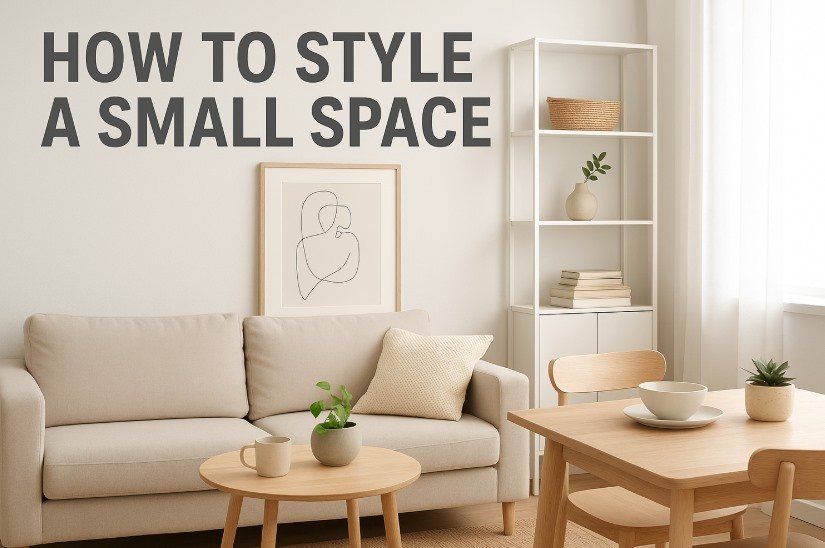
How to Style a Small Space can feel challenging, but with the right steps, any small room can become comfortable, useful, and pleasant to live in. A small space works well when everything has a clear purpose and when the layout supports your everyday needs. By choosing simple furniture, planning your storage, and keeping the room organized, you can create a space that feels open and balanced without adding stress.
Understanding the Room
Before you make any changes, take a close look at the shape and features of the room. Notice the windows, corners, and natural light. Light is one of the most important parts of a small room, because more light helps the space feel open. Use thin curtains or blinds to keep the windows clear. Avoid heavy fabrics that block light. When you understand the natural light and structure of the room, it becomes easier to make choices that support the space.
Choosing the Right Layout
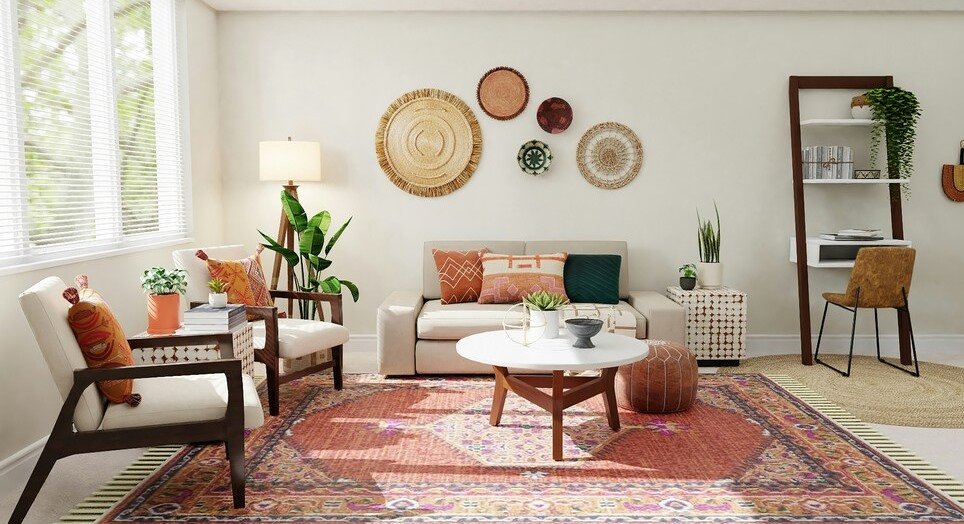
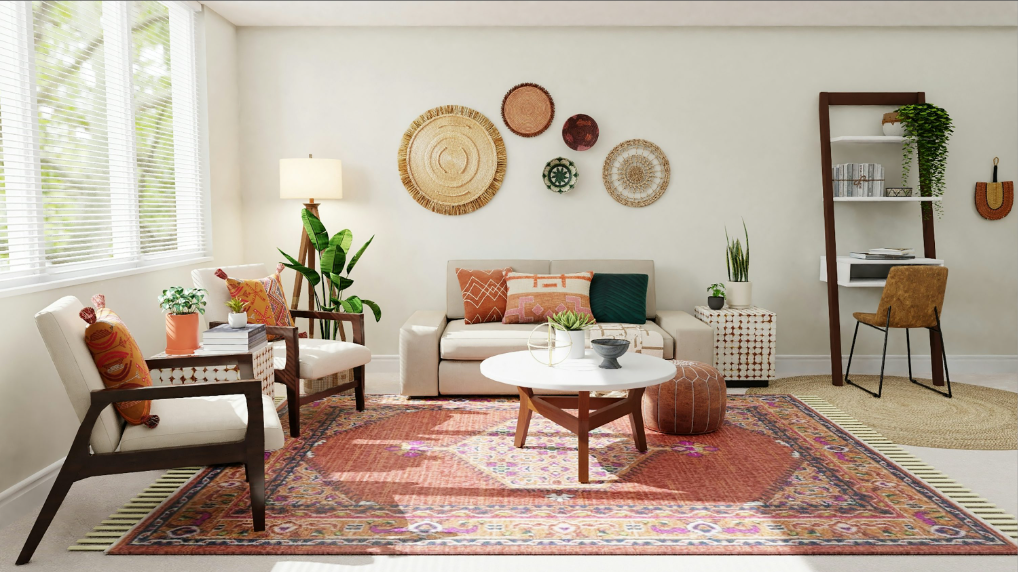
The layout is important because small rooms need clear walking paths and open areas. Place large furniture along the walls so the center of the room stays open. Choose seating with raised legs, because this creates space underneath and keeps the room from feeling crowded. Tables with open frames also work well. Avoid placing furniture in the middle of the room, especially if it blocks movement. A good layout helps the room feel calm and simple to use.
Selecting Multi-Purpose Furniture
One of the main ideas in How to Style a Small Space is to use furniture that serves more than one purpose. A bed with drawers under it, a foldable desk, or a coffee table that opens for storage makes your room more useful without adding clutter. Multi-purpose pieces reduce the number of items you need, which keeps the room easier to manage. Look for items that are simple in shape and not too large. This helps the room stay open.
Organizing and Storing Items
Storage is a key part of a small space. Use tall shelves to take advantage of vertical space instead of using wide cabinets that take up the floor. Shelves, wall hooks, baskets, and small boxes help you organize everything without crowding the room. When everything has a place, the room feels clean and easy to enjoy. Try to store small items out of sight to reduce visual clutter. A neat space always feels bigger.
Using Color in a Small Space
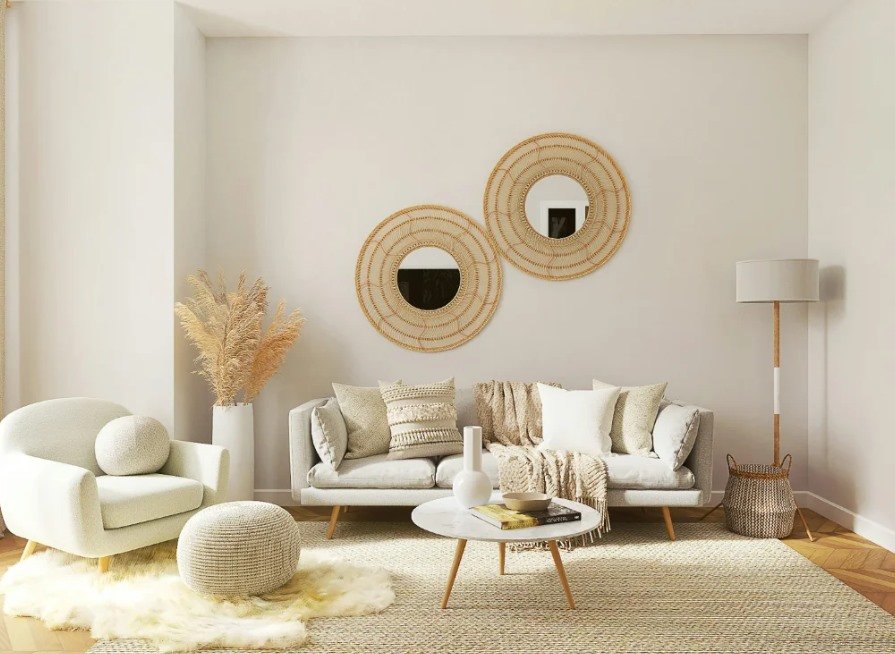
The colors you choose affect how the room feels. Light colors like white, beige, or soft gray help the room feel open and bright. Dark colors can make a room feel tight, so it is better to use them only in small details such as pillows, rugs, or artwork. If you want patterns, choose small and simple ones rather than large designs. Simple colors and patterns create balance and keep the room comfortable for daily use.
Choosing the Right DecorDecor should be simple and meaningful in a small room. Too many items create clutter and make the space feel smaller. Choose a few pieces that you enjoy, such as a plant, a piece of art, or a lamp. Mirrors can also help because they reflect light and increase the feeling of space. Place a mirror near a window or light source to add brightness to the room. The first half of learning How to Style a Small Space is knowing that simplicity and clear choices make the biggest difference.
Planning Based on Daily Use
The second half of How to Style a Small Space involves planning based on the way you use the room. If the space is used for work, choose a small wall-mounted desk or a foldable desk that can be put away when not in use. If the room is meant for relaxing, choose seating that is comfortable and easy to move. When the purpose of the room is clear, it becomes easier to select the right items and avoid unnecessary furniture.
Lighting Choices
Lighting can help a small room feel larger and more open. Instead of using large floor lamps, choose wall lights or hanging lights that do not take up floor space. You can also use small table lamps placed on shelves instead of tables. Good lighting brightens the corners and helps the room feel calm. Try to avoid harsh lighting and choose warm, soft light that spreads evenly.
Using Rugs for Structure
A rug can help define areas in a small room. Choose a rug that fits the space without covering the whole floor. A rug that is too large may make the room feel smaller. A medium-sized rug helps guide the layout of the room and adds comfort without overwhelming the space. Choose simple patterns and light colors that match the rest of the room.
Keeping Surfaces Clear
A clean surface makes a big difference in a small space. Try to put items back in their place after use. Store papers in drawers, keep remote controls in small boxes, and reduce the number of decorations on tables. Clear surfaces make the room feel open and organized. This simple habit helps maintain order and supports the overall design.
Choosing Long-Lasting Items
When choosing pieces for a small room, look for items that are simple, strong, and able to serve more than one purpose. Long-lasting furniture reduces the need to replace items often, which helps maintain the style of the room. Items like ottomans, simple shelves, and flexible storage pieces allow the room to adapt as your needs change.
Creating Visual Order
Visual order is important when space is limited. Keep colors, shapes, and textures simple and consistent. When everything matches well, the room feels calm. Avoid too many strong colors or large decorations. Visual order helps the room look more open and makes it easier to focus on the parts you enjoy.
Using Smart Storage Tools
Tools like under-bed boxes, over-door racks, and wall-mounted baskets help keep items organized and easy to reach. Organize items by type to make them simple to find. A well-organized room saves time and reduces stress. It also supports the style of the room by keeping clutter away.
Adding Plants
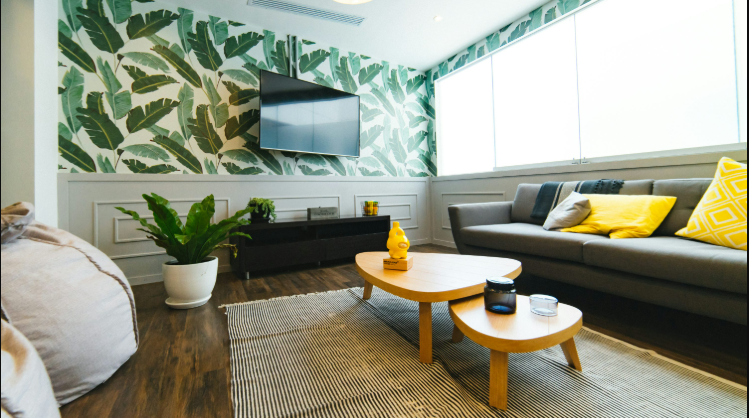
Plants can improve the feeling of a small room without taking up much space. Choose small plants and place them where they will not block movement. Plants add color and a natural touch while keeping the room fresh and welcoming.
Final Thoughts
The full idea of How to Style a Small Space is to keep the room open, practical, and comfortable. With the right layout, furniture, lighting, and organization, even the smallest room can feel enjoyable and useful. A simple and thoughtful approach leads to a space that supports your daily life and feels good to be in every day.